

Specialized Heart Care
Your Heart Works Tirelessly For You Every Single Day. Don’t You Deserve A Hospital That Treats It With The Same Dedication? At Our Best Cardiology Hospital In Wakad Pcmc, We Blend Expert Care, Advanced Technology, And Heartfelt Attention To Ensure Your Heart Stays Strong And Healthy. Whether It’s A Routine Checkup, Preventive Care, Or Advanced Cardiac Treatment, We’re Here For Youevery Heartbeat Matters.
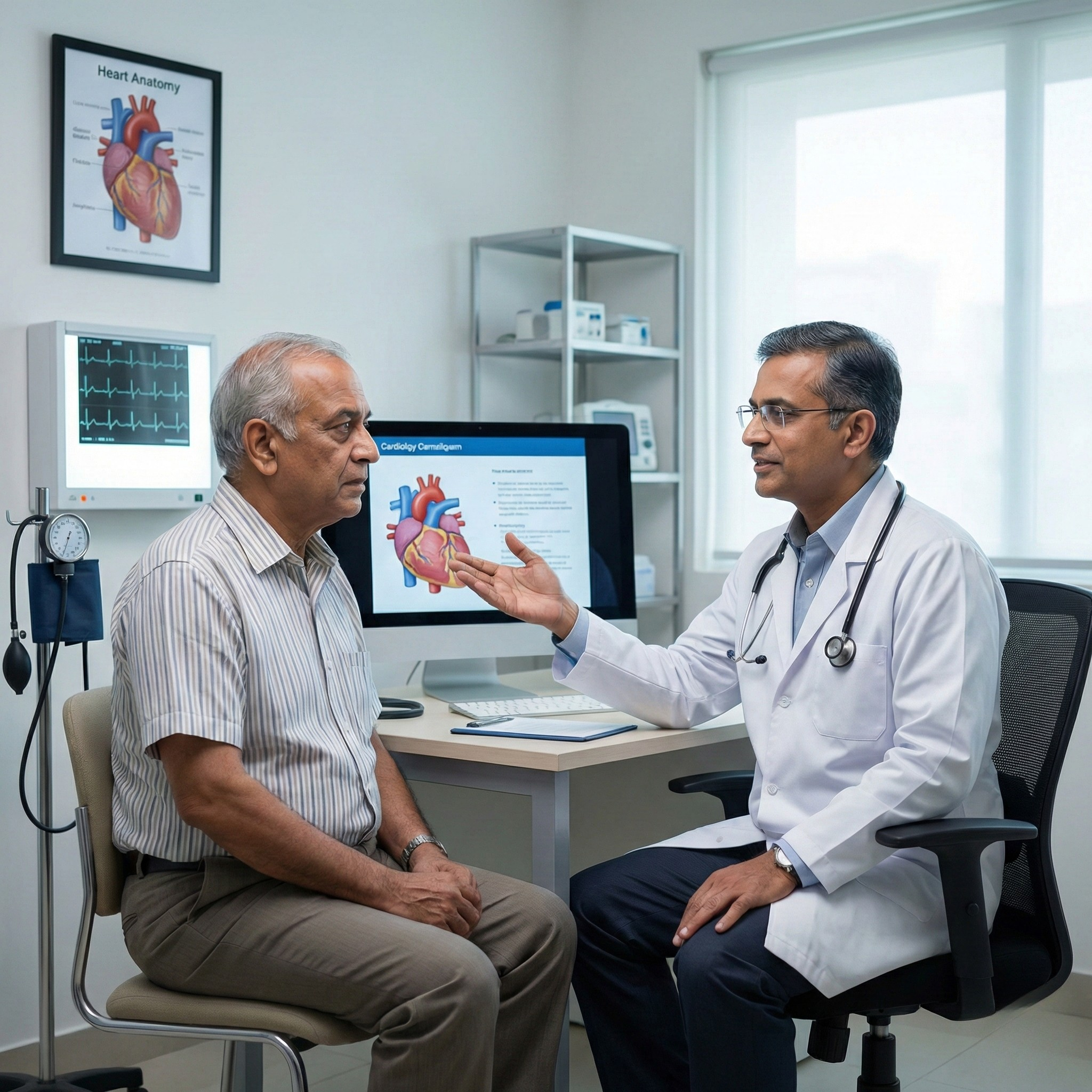
At NRS Hospital, we are committed to providing the best possible healthcare with modern facilities and expert medical care. Our hospital has 25 in-patient beds and 8 ICU beds, supported by advanced equipment to deliver safe and effective treatment . We offer specialized medical services by combining clinical expertise with technology, ensuring quality care at an affordable cost.
Guided by a strong “patient first” philosophy, every staff member is dedicated to compassionate service. Led by Dr. Narayan Survase (MD – Medicine), with 17 years of experience, NRS Hospital is trusted by nearly one lakh patients.
Comprehensive cardiovascular care delivered by experts with advanced technology.
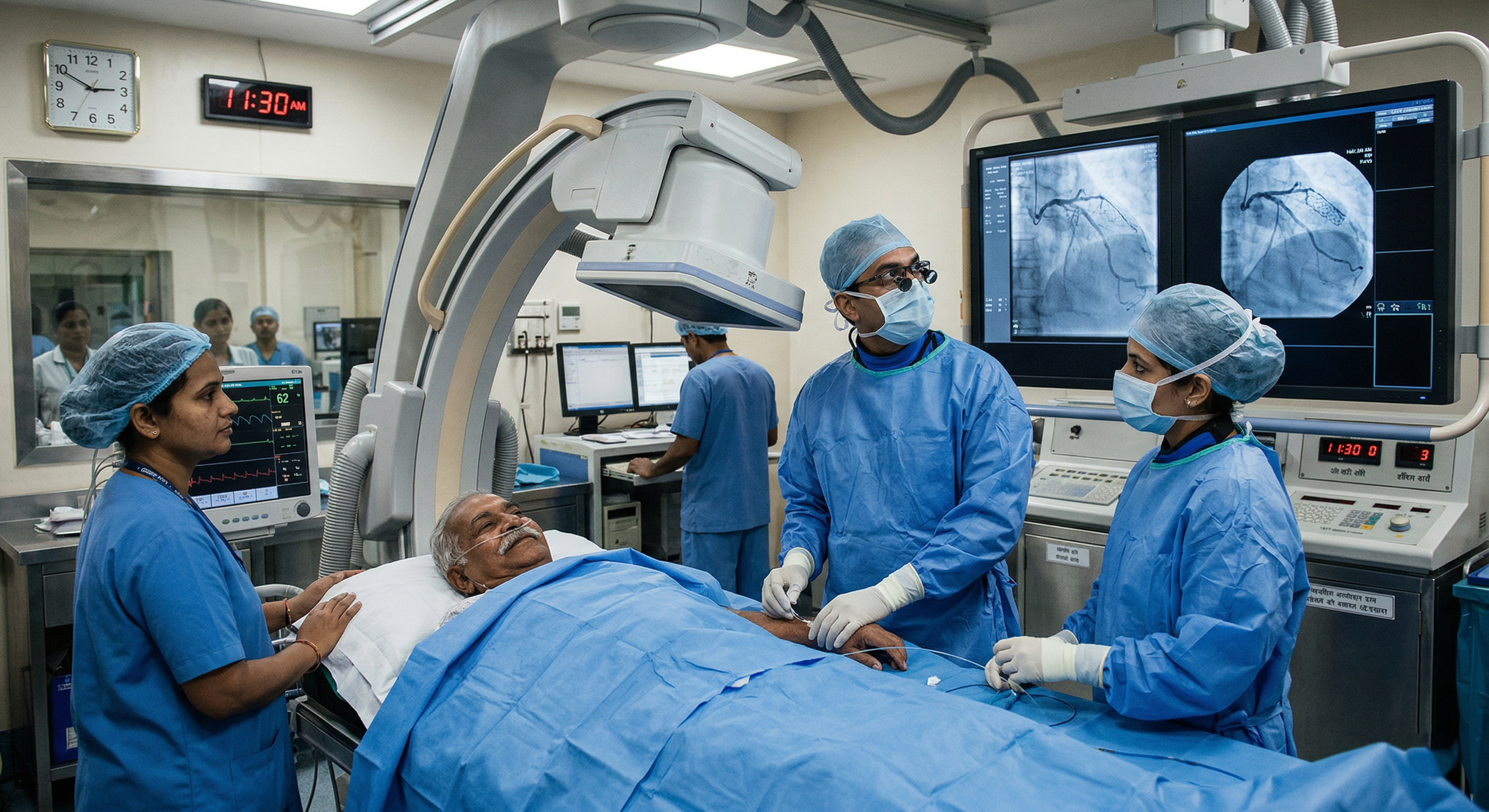
If you’re dealing with blocked arteries or heart problems, our angioplasty and stent procedures can help get your blood flowing smoothly again. We use modern, minimally invasive techniques so you recover faster and feel comfortable throughout. Our team in Wakad PCMC makes sure you’re cared for every step of the way.
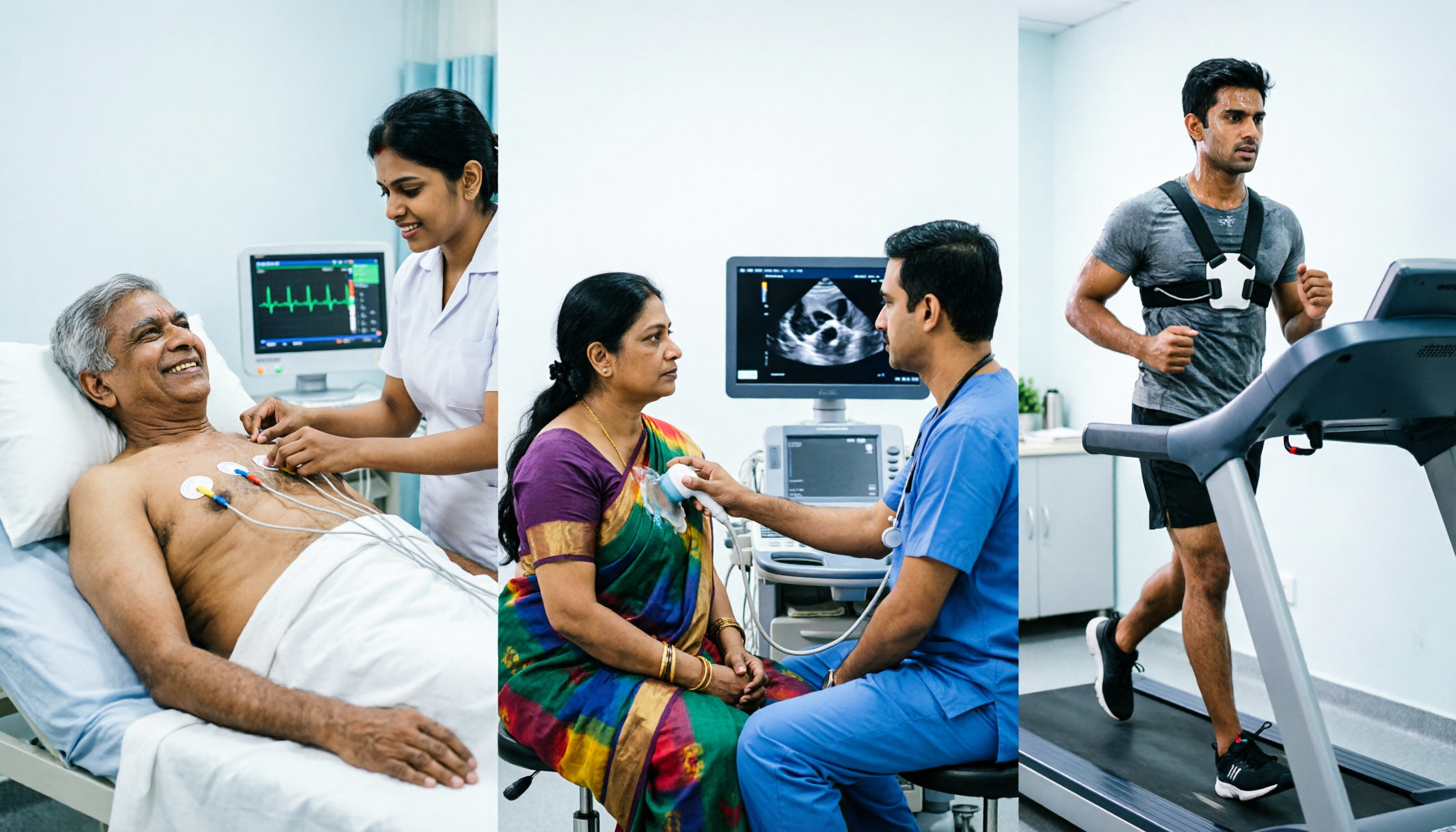
Want to know how your heart is really doing? Our ECG, 2D Echo, and TMT stress tests give a clear picture of your heart’s health. They’re quick, painless, and help our cardiologists catch any issues early. Knowing your heart’s condition helps you make smart choices for long-term health.
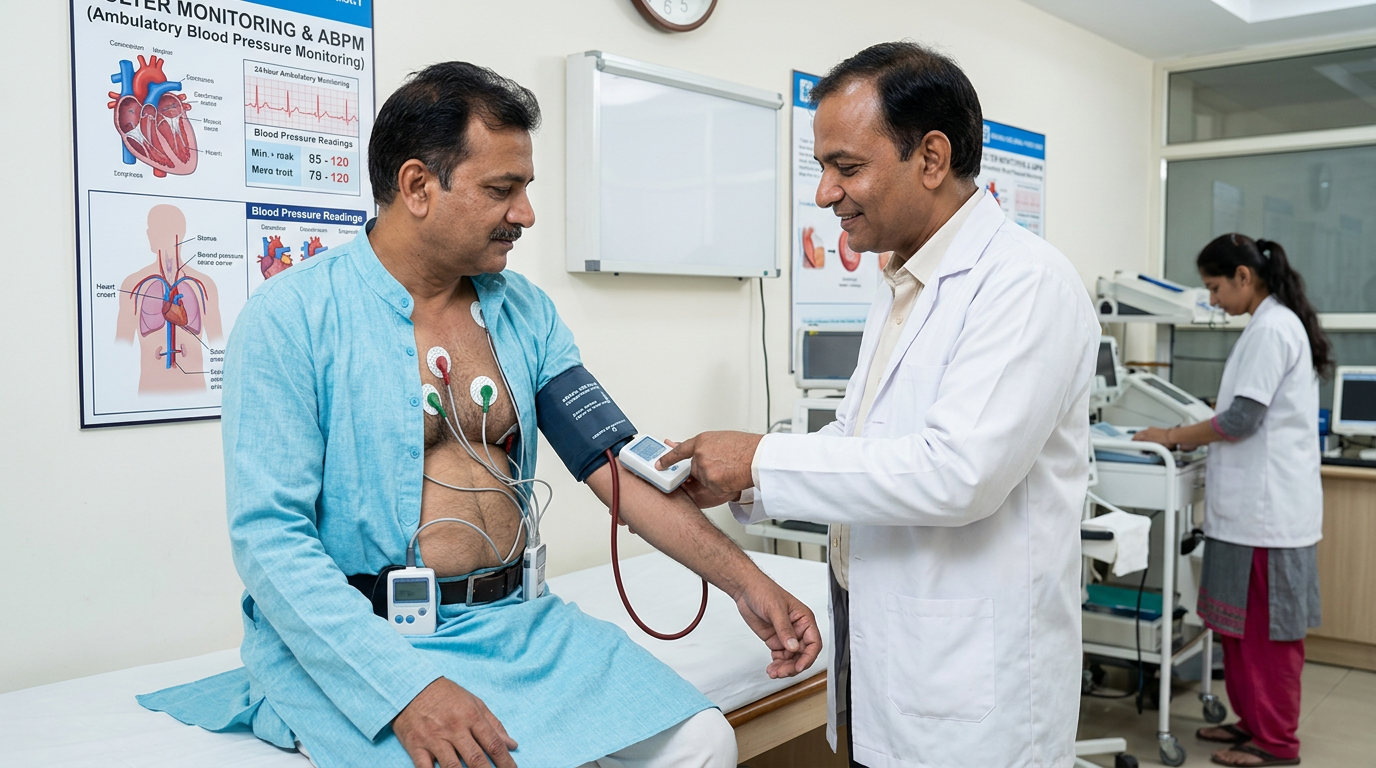
Sometimes heart problems aren’t obvious in a short clinic visit. That’s why we use Holter monitoring and ABPM to track your heart for 24 hours. This helps our doctors spot irregular rhythms or blood pressure issues that could go unnoticed, so you get the right treatment at the right time.
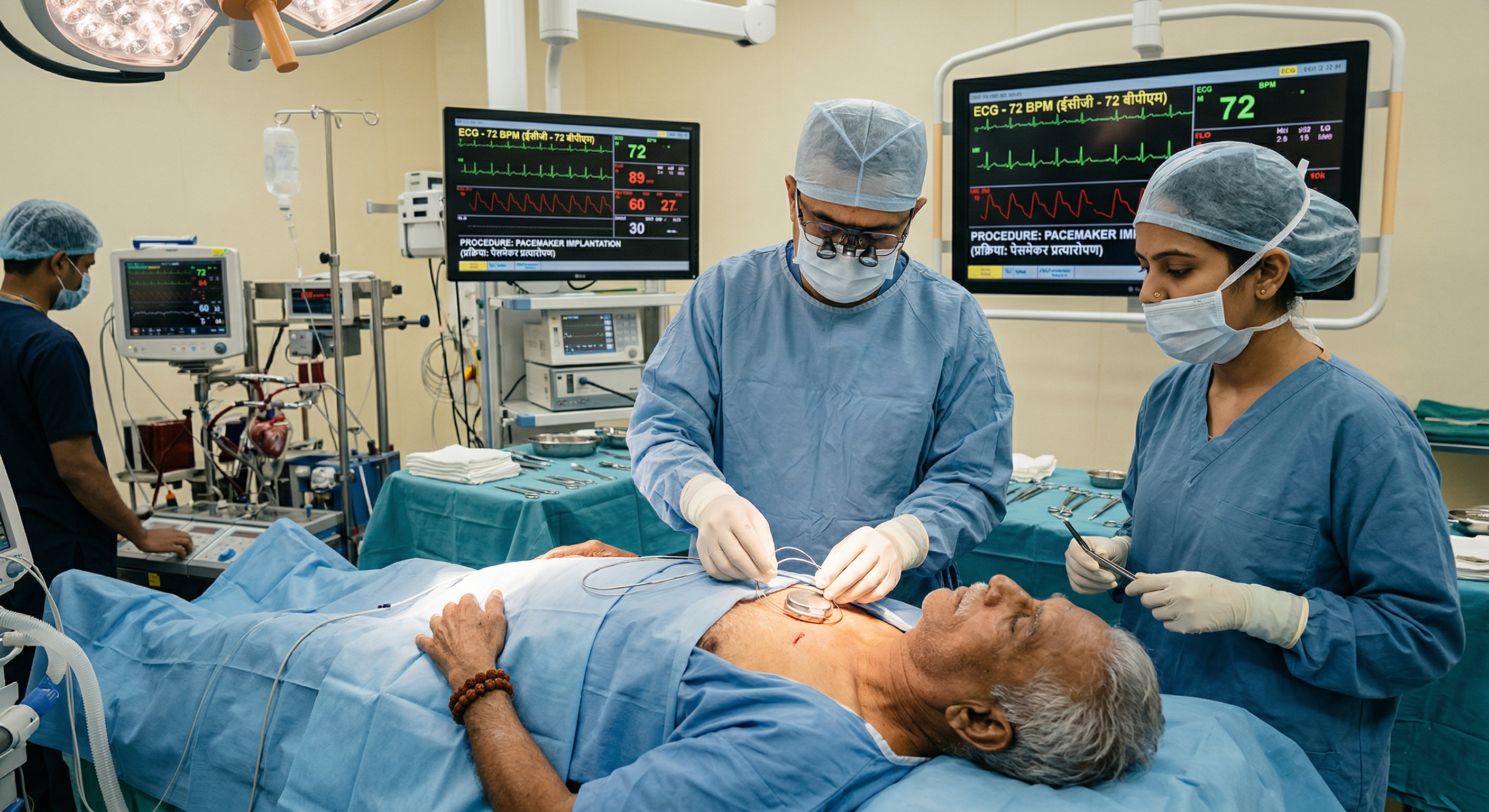
For serious heart issues, our team offers pacemaker implantation and advanced cardiac surgeries. We focus on making the process as safe and smooth as possible. After the procedure, we guide you through recovery and rehabilitation, ensuring your heart stays strong and you get back to your daily life with confidence.
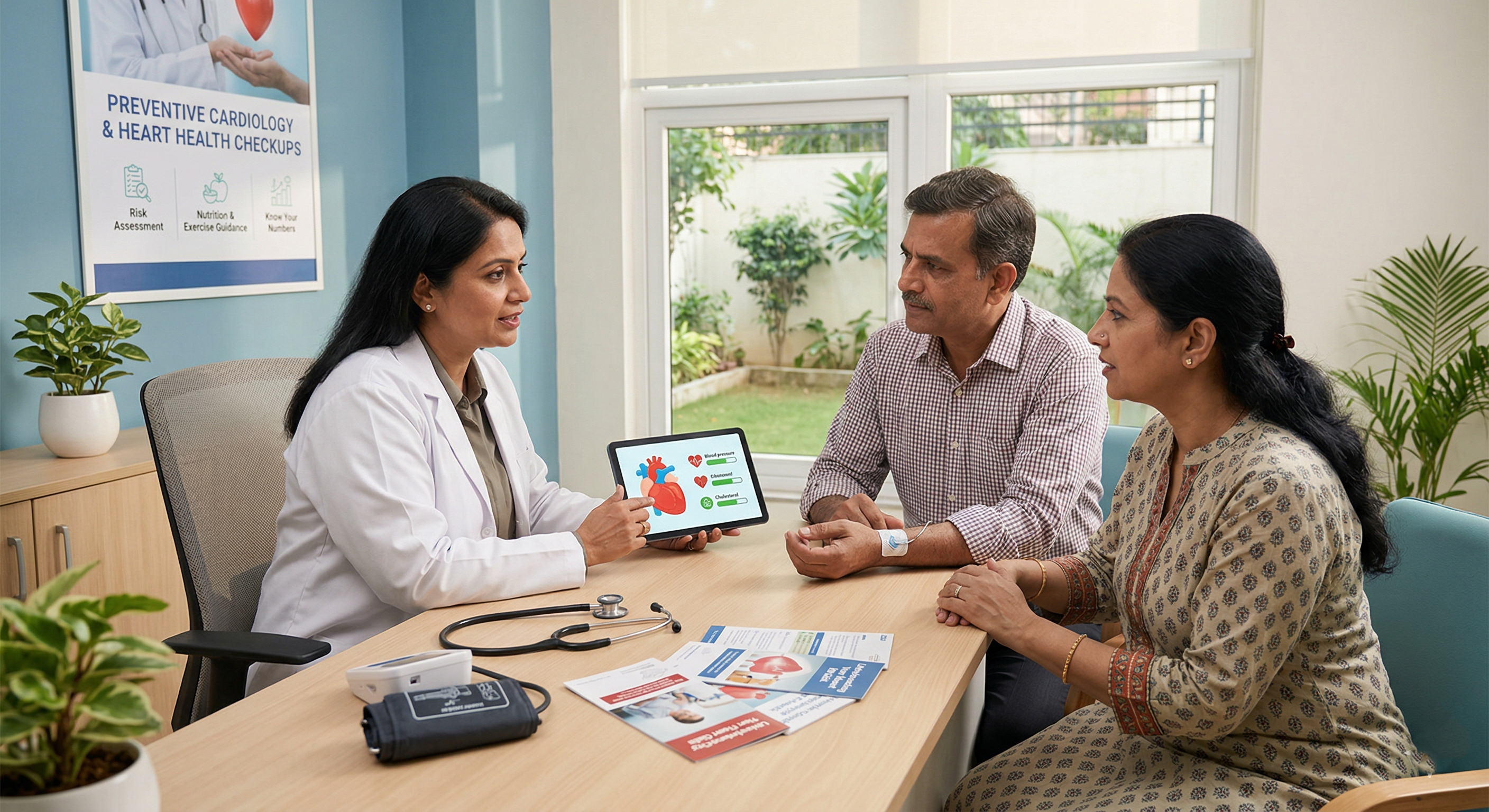
You don’t have to wait for a problem to take action. Our preventive cardiology and heart checkups help spot risks early, like high blood pressure or cholesterol. With simple lifestyle tips and personalized advice, we help you protect your heart so you can enjoy a healthy, active life for years to come.
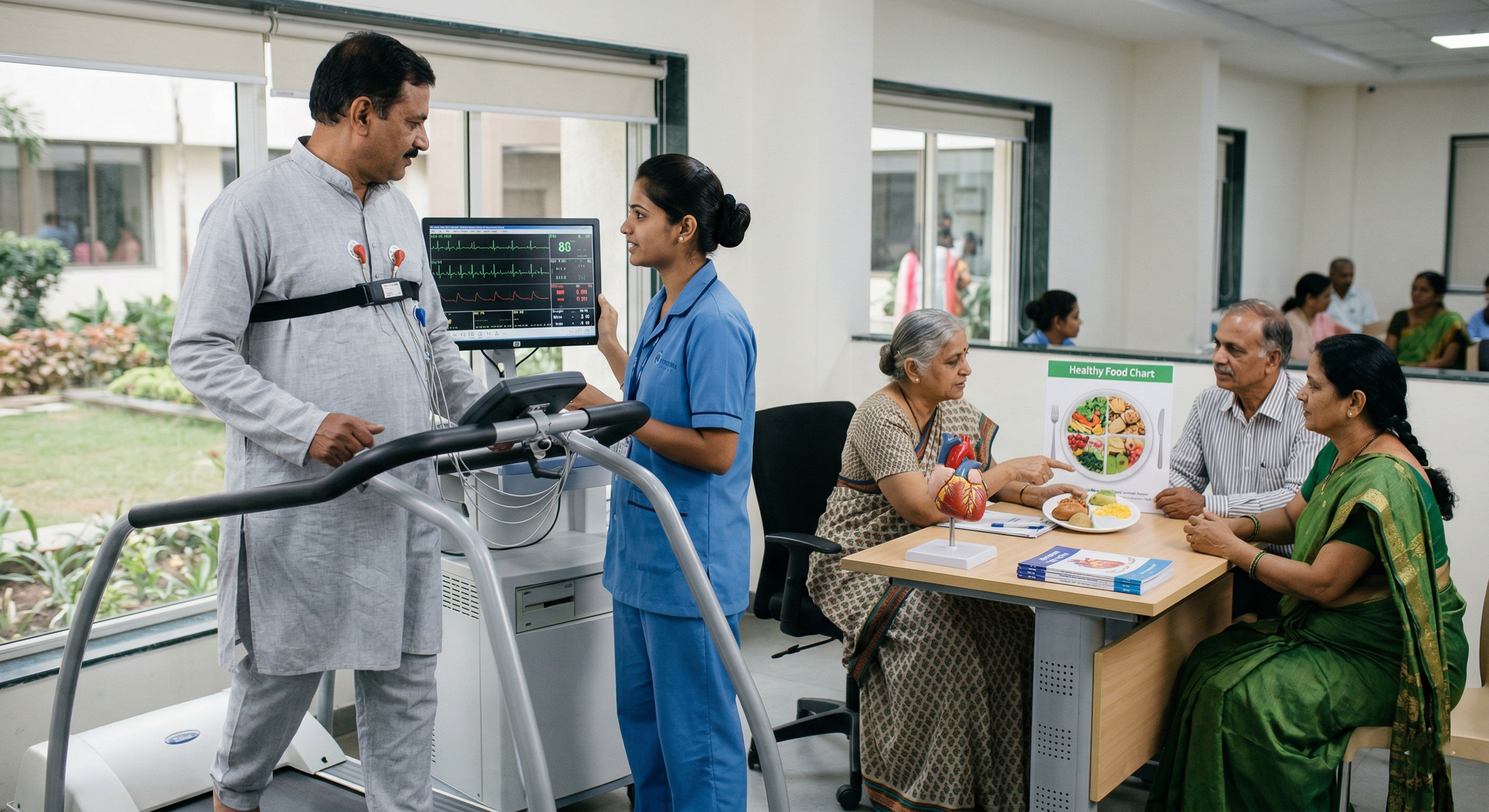
Recovering from a heart event can be challenging, but you’re not alone. Our cardiac rehab programs and lifestyle counseling give you the support, exercises, and guidance you need to regain strength. We help you build heart-healthy habits, so your recovery is smoother and your heart stays strong for the long term.
If you’re looking for a trusted heart specialist near Wakad, our hospital is home to some of the most experienced cardiologists in PCMC. They specialize in preventive cardiology, interventional procedures, and emergency heart care, ensuring every patient gets personalized attention and expert treatment. You can book a consultation online or by phone.
Early signs often include unusual fatigue, shortness of breath during mild activity, chest discomfort, palpitations, and swelling in the legs or ankles. Many people ignore these symptoms, assuming they are minor. However, recognizing these warning signals early helps diagnose heart problems before they become serious or life-threatening.
There is no single “best” test for everyone. Doctors recommend tests based on your condition, such as ECG to check rhythm, 2D Echo to assess heart structure, TMT to evaluate performance under stress, or blood tests for cholesterol and sugar levels to understand overall cardiac risk.
Simple daily habits can greatly improve heart health. Regular physical activity, a diet rich in fruits and vegetables, maintaining healthy weight, reducing salt and processed foods, managing stress, sleeping well, and avoiding tobacco or excessive alcohol all contribute to stronger cardiovascular function and long-term wellness.
We recommend:
Early checkups help catch issues before they become serious.
Simple daily habits can greatly improve heart health. Regular physical activity, a diet rich in fruits and vegetables, maintaining healthy weight, reducing salt and processed foods, managing stress, sleeping well, and avoiding tobacco or excessive alcohol all contribute to stronger cardiovascular function and long-term wellness.
“I will be your central doctor. I will first assess your full history, examination and reports, make a provisional diagnosis, and start the basic medical management. If I see that you need a super‑specialist (for example cardiologist, nephrologist, neurologist), I will refer you with a clear summary, and later integrate their advice with your overall treatment so that your medicines and follow‑up remain coordinated.”
“Yes. As an MD in General Medicine, my role is to manage long‑term conditions like diabetes, hypertension, cholesterol, thyroid, obesity and metabolic syndrome. I will monitor your reports, adjust medicines, and guide lifestyle changes. I will send you to a cardiologist, nephrologist, or endocrinologist only when there are complications or special procedures required.”
“Many of these are interconnected. High BP and uncontrolled sugar can damage the heart, kidneys, brain and blood vessels. I will review all your problems together, identify the common underlying causes (for example, long‑standing diabetes or hypertension), and plan a combined treatment so that one disease’s treatment does not worsen another.”
“Yes. Bring all your previous prescriptions, lab reports, and current tablets. I will check for duplications, unnecessary drugs, or unsafe combinations, and then simplify your prescription to the minimum effective and evidence‑based medicines you need at present.”
“This is an important part of my work. Different specialists may focus on their own organ system and sometimes prescribe overlapping medicines. I will cross‑check doses, interactions and repetitions, then adjust the plan so that all your medicines work together safely without unnecessary duplication.”
“Based on your age, gender and risk factors, I will suggest appropriate preventive care: routine blood pressure, fasting sugar, HbA1c, lipid profile; kidney and liver tests when indicated; ECG and possibly echocardiography or stress tests if risk is high; as well as adult vaccines like flu, pneumococcal, hepatitis, tetanus booster, and others when needed. This helps us detect disease early and prevent complications.”
“We can estimate your risk by looking at BP, sugar, cholesterol, weight, smoking status, family history and existing organ damage. Based on this, we decide how aggressively to control BP, sugar and lipids, whether you need aspirin or other preventive medicines, and what lifestyle targets you should follow (diet, exercise, weight, smoking cessation). The aim is to lower your 5–10‑year risk of heart attack and stroke as much as possible.”