
Respiratory Care & Excellence
Struggling with ear, nose, or throat issues? At the Best ENT Hospital in Wakad PCMC, our expert doctors provide personalized care, advanced treatments, and gentle solutions for every patient. Experience relief, better health, and peace of mind all under one trusted roof. Book your consultation today!
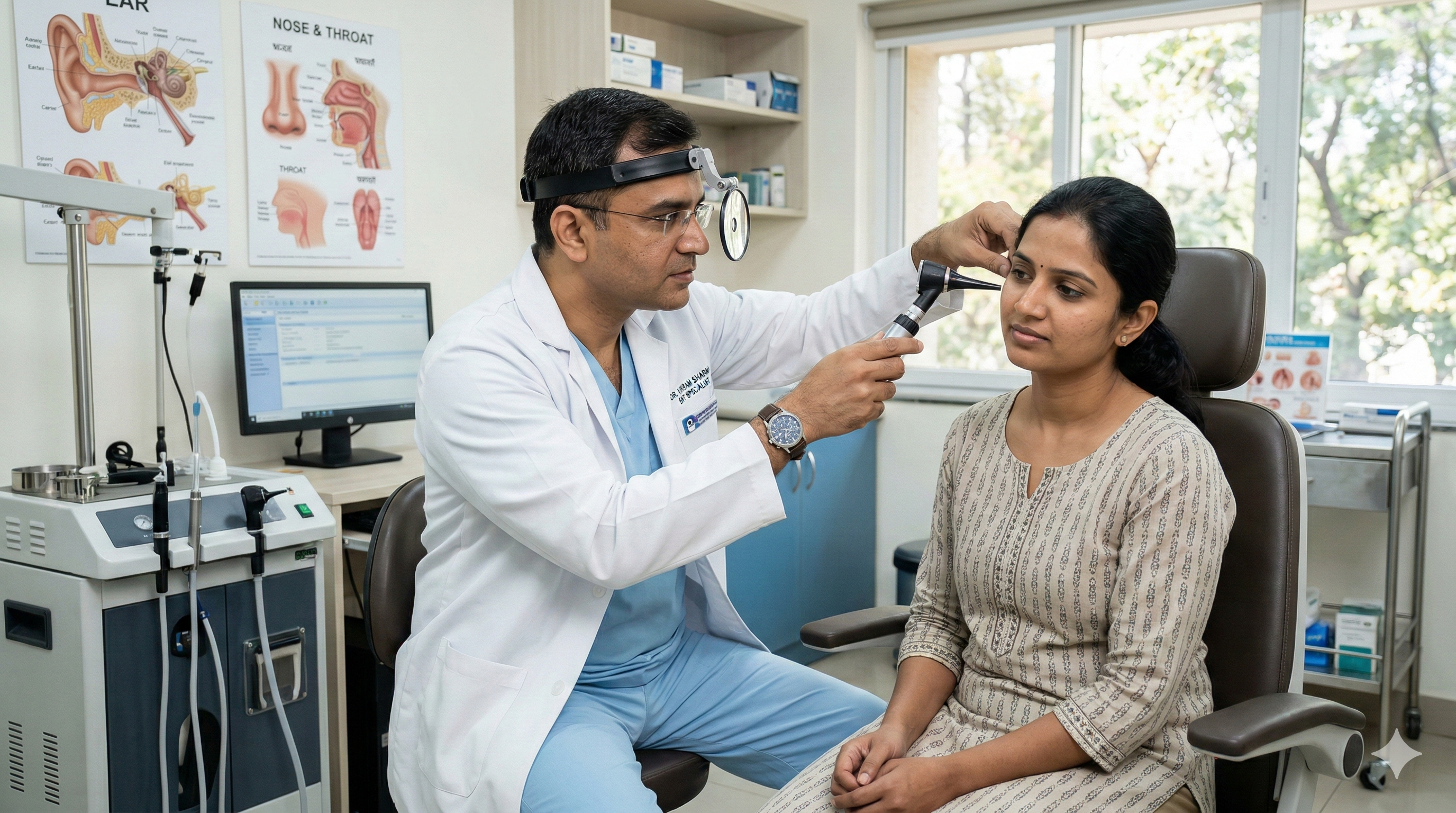
At NRS Hospital, we are committed to providing the best possible healthcare with modern facilities and expert medical care. Our hospital has 25 in-patient beds and 8 ICU beds, supported by advanced equipment to deliver safe and effective treatment . We offer specialized medical services by combining clinical expertise with technology, ensuring quality care at an affordable cost.
Guided by a strong “patient first” philosophy, every staff member is dedicated to compassionate service. Led by Dr. Narayan Survase (MD – Medicine), with 17 years of experience, NRS Hospital is trusted by nearly one lakh patients.
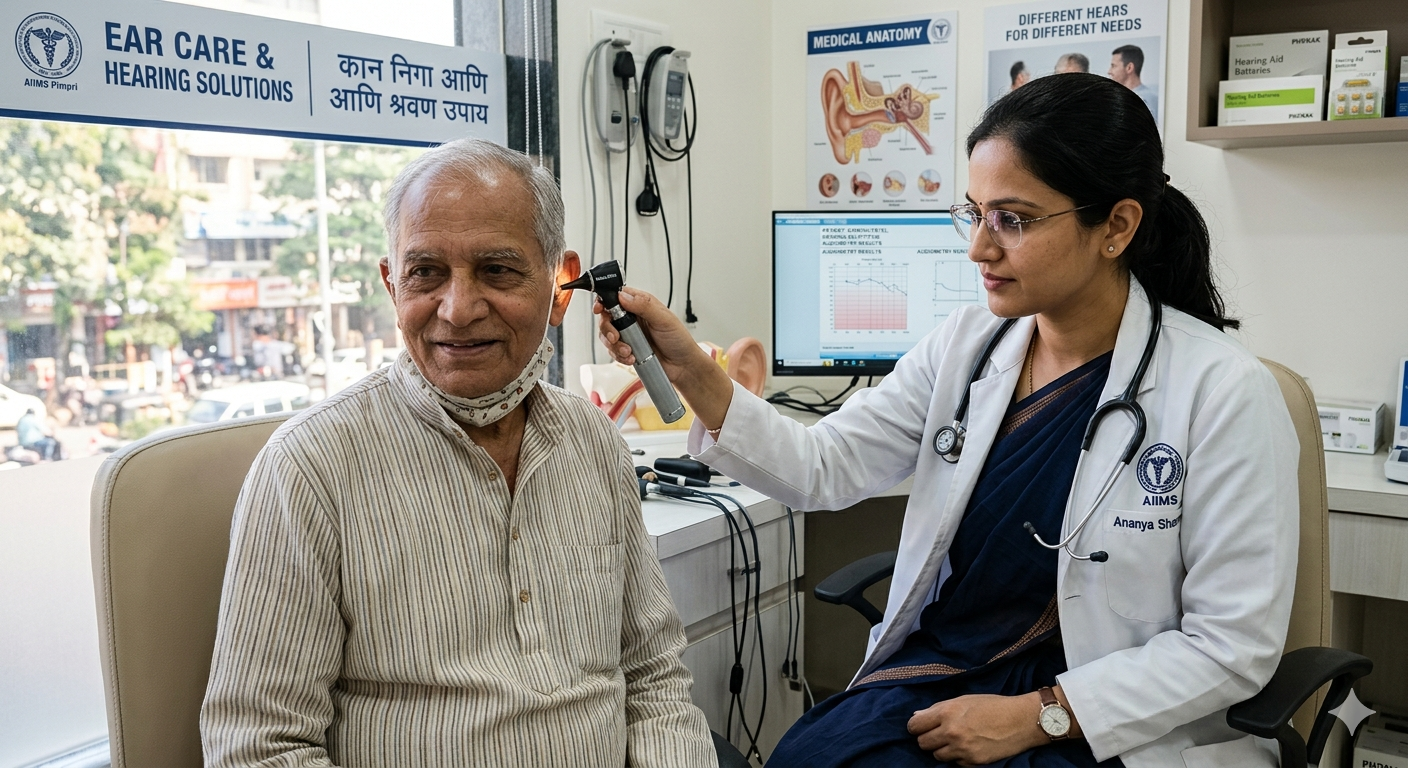
Your ears deserve the best care, and we make it simple. From routine hearing tests to treating infections and removing ear wax safely, we ensure your hearing stays sharp. If you experience ringing, dizziness, or hearing problems, our ENT specialists in Wakad are here to help with gentle, effective treatment.
Sinus discomfort or nasal blockages shouldn’t hold you back. We offer treatments for chronic sinusitis, allergies, nasal polyps, and septum issues. Using modern techniques, our ENT experts in Wakad make breathing easier and relieve persistent sinus problems, helping you feel fresh, clear-headed, and comfortable every day.
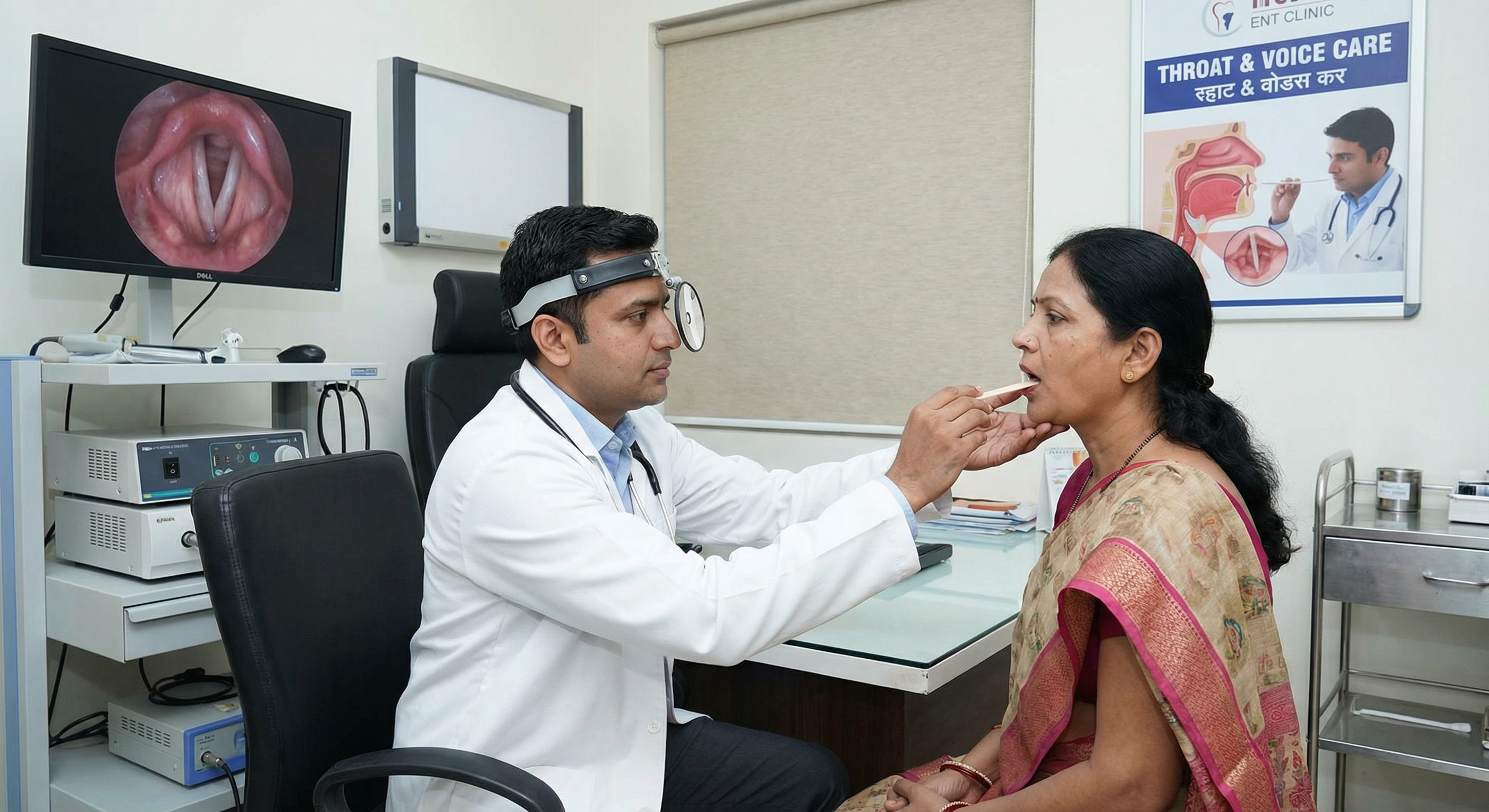
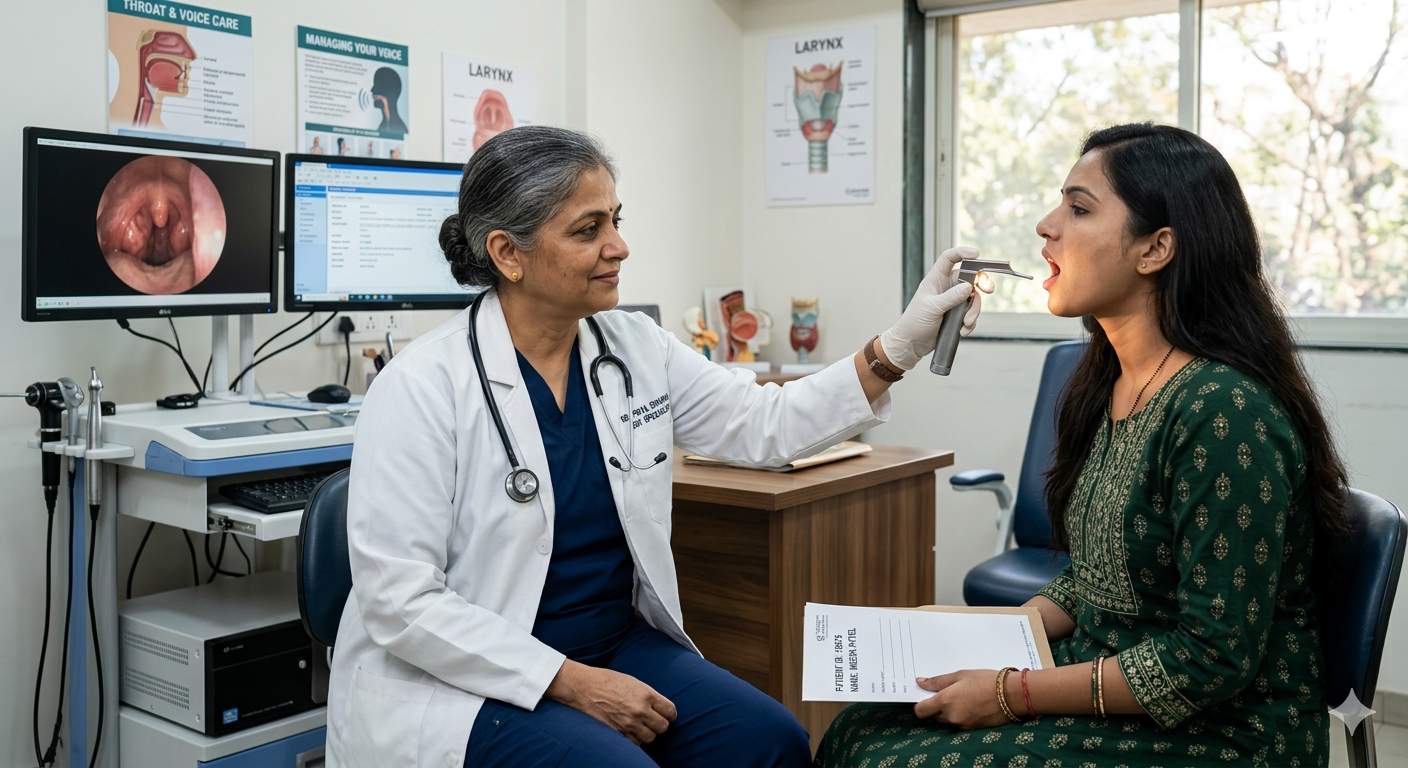
A healthy throat is key for speaking, swallowing, and sleeping well. From tonsillitis treatments to sleep apnea care and voice disorders, we provide personalized solutions. Whether it’s snoring issues or persistent throat irritation, our ENT doctors focus on improving comfort, voice health, and overall well-being for all ages.
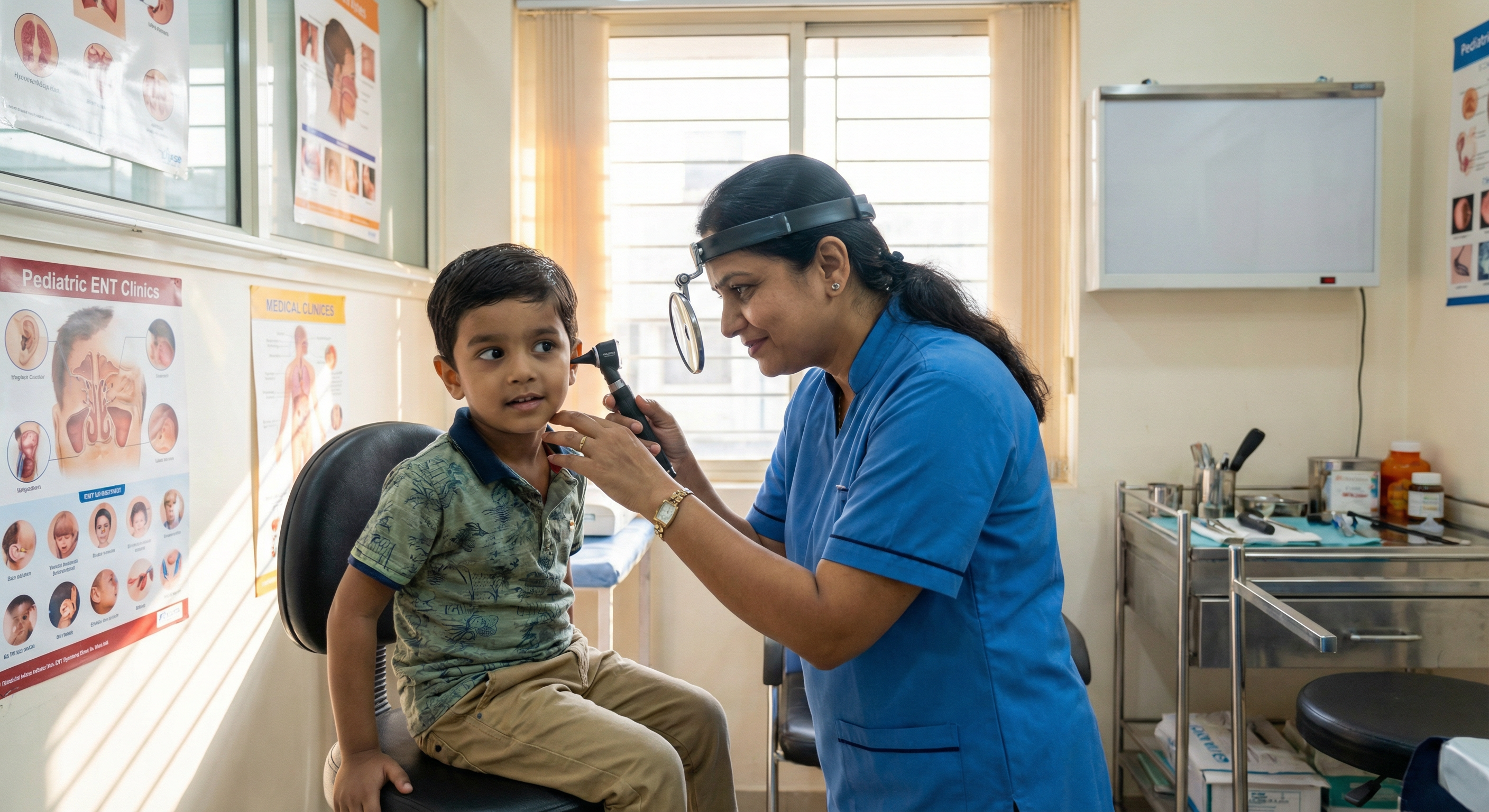
Kids need gentle, specialized care. We handle ear infections, tonsils, adenoids, and allergies with extra care and patience. Our pediatric ENT team ensures children feel safe and comfortable while receiving effective treatment, giving parents peace of mind and helping little ones breathe, hear, and sleep better
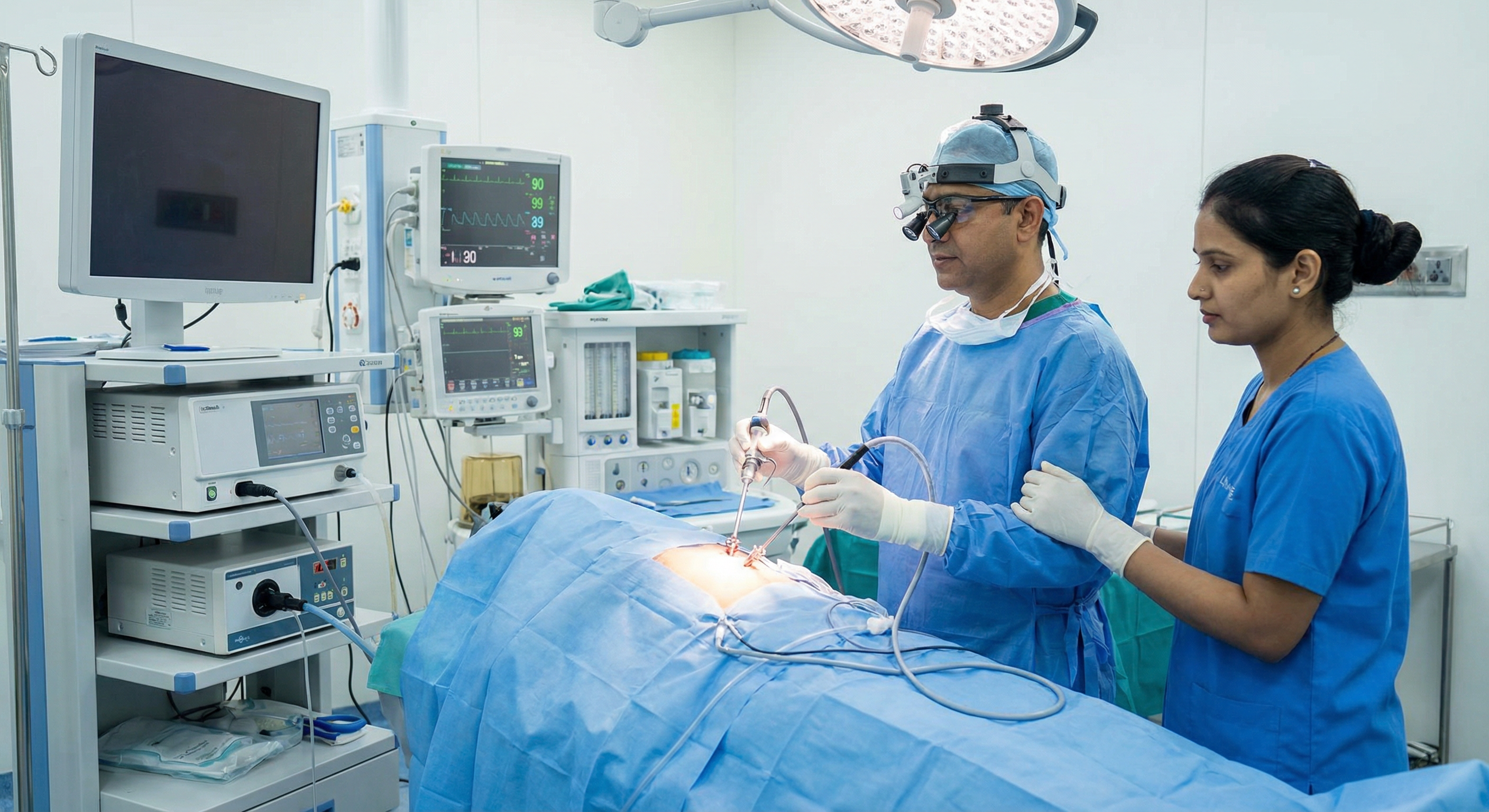
Some conditions need more than basic care, and we’re prepared. From endoscopic sinus surgeries to laser treatments and cochlear implants, we use the latest technology for safe, precise results. Our ENT specialists in Wakad combine expertise with modern equipment to restore function and comfort quickly and effectively.
Yes, allergies can lead to chronic nasal congestion, sinusitis, throat irritation, and ear infections. Left untreated, these issues may worsen over time. Our ENT specialists in Wakad PCMC evaluate allergy triggers and provide treatment options such as medications, immunotherapy, or lifestyle guidance to minimize symptoms and protect overall ENT health.
ENT specialists undergo advanced training specifically in diagnosing and treating ear, nose, and throat conditions. Unlike general doctors, they can perform specialized procedures, surgeries, and advanced diagnostics. At our Wakad ENT hospital, our specialists provide comprehensive ENT care that general practitioners cannot, ensuring precise diagnosis and effective treatment.
ENT surgeries at NRS Hospital are safe when performed by experienced specialists. Minor procedures like ear tube insertion or tonsillectomy are often outpatient, while complex sinus or nasal surgeries use advanced techniques. Our Wakad PCMC team prioritizes patient safety and offers thorough post-operative care to ensure optimal outcomes.
Sinusitis is inflammation of the sinuses causing congestion, facial pain, and nasal discharge. Treatment includes saline rinses, medications, and in some cases, minor surgical procedures. ENT specialists provide personalized care to relieve symptoms, prevent chronic sinus issues, and improve overall breathing and comfort.
Ear infections can be prevented by keeping ears dry, avoiding inserting foreign objects, treating allergies promptly, and maintaining good hygiene. NRS Hospital offers preventive care and regular ENT checkups in Wakad PCMC to reduce recurrent infections and keep your ears healthy, especially for children and seniors.
“I will be your central doctor. I will first assess your full history, examination and reports, make a provisional diagnosis, and start the basic medical management. If I see that you need a super‑specialist (for example cardiologist, nephrologist, neurologist), I will refer you with a clear summary, and later integrate their advice with your overall treatment so that your medicines and follow‑up remain coordinated.”
“Yes. As an MD in General Medicine, my role is to manage long‑term conditions like diabetes, hypertension, cholesterol, thyroid, obesity and metabolic syndrome. I will monitor your reports, adjust medicines, and guide lifestyle changes. I will send you to a cardiologist, nephrologist, or endocrinologist only when there are complications or special procedures required.”
“Many of these are interconnected. High BP and uncontrolled sugar can damage the heart, kidneys, brain and blood vessels. I will review all your problems together, identify the common underlying causes (for example, long‑standing diabetes or hypertension), and plan a combined treatment so that one disease’s treatment does not worsen another.”
“Yes. Bring all your previous prescriptions, lab reports, and current tablets. I will check for duplications, unnecessary drugs, or unsafe combinations, and then simplify your prescription to the minimum effective and evidence‑based medicines you need at present.”
“This is an important part of my work. Different specialists may focus on their own organ system and sometimes prescribe overlapping medicines. I will cross‑check doses, interactions and repetitions, then adjust the plan so that all your medicines work together safely without unnecessary duplication.”
“Based on your age, gender and risk factors, I will suggest appropriate preventive care: routine blood pressure, fasting sugar, HbA1c, lipid profile; kidney and liver tests when indicated; ECG and possibly echocardiography or stress tests if risk is high; as well as adult vaccines like flu, pneumococcal, hepatitis, tetanus booster, and others when needed. This helps us detect disease early and prevent complications.”
“We can estimate your risk by looking at BP, sugar, cholesterol, weight, smoking status, family history and existing organ damage. Based on this, we decide how aggressively to control BP, sugar and lipids, whether you need aspirin or other preventive medicines, and what lifestyle targets you should follow (diet, exercise, weight, smoking cessation). The aim is to lower your 5–10‑year risk of heart attack and stroke as much as possible.”